
Phone:

Cartiva Toe Implants
The Cartiva toe implant was introduced as a modern treatment for hallux rigidus, a form of arthritis that causes pain and stiffness in the big toe joint. Designed as a synthetic cartilage implant, the device was intended to relieve pain while preserving joint motion—an alternative to traditional fusion surgery (arthrodesis).
After receiving FDA approval in 2016, Cartiva implants were used in thousands of procedures across the United States. However, some patients have reported ongoing pain, implant failure, and the need for additional surgeries after receiving the device.
Saunders & Walker P.A. represents individuals in product liability cases involving medical devices and may be able to help patients who experienced complications after a Cartiva toe implant.
What Is a Cartiva Toe Implant?
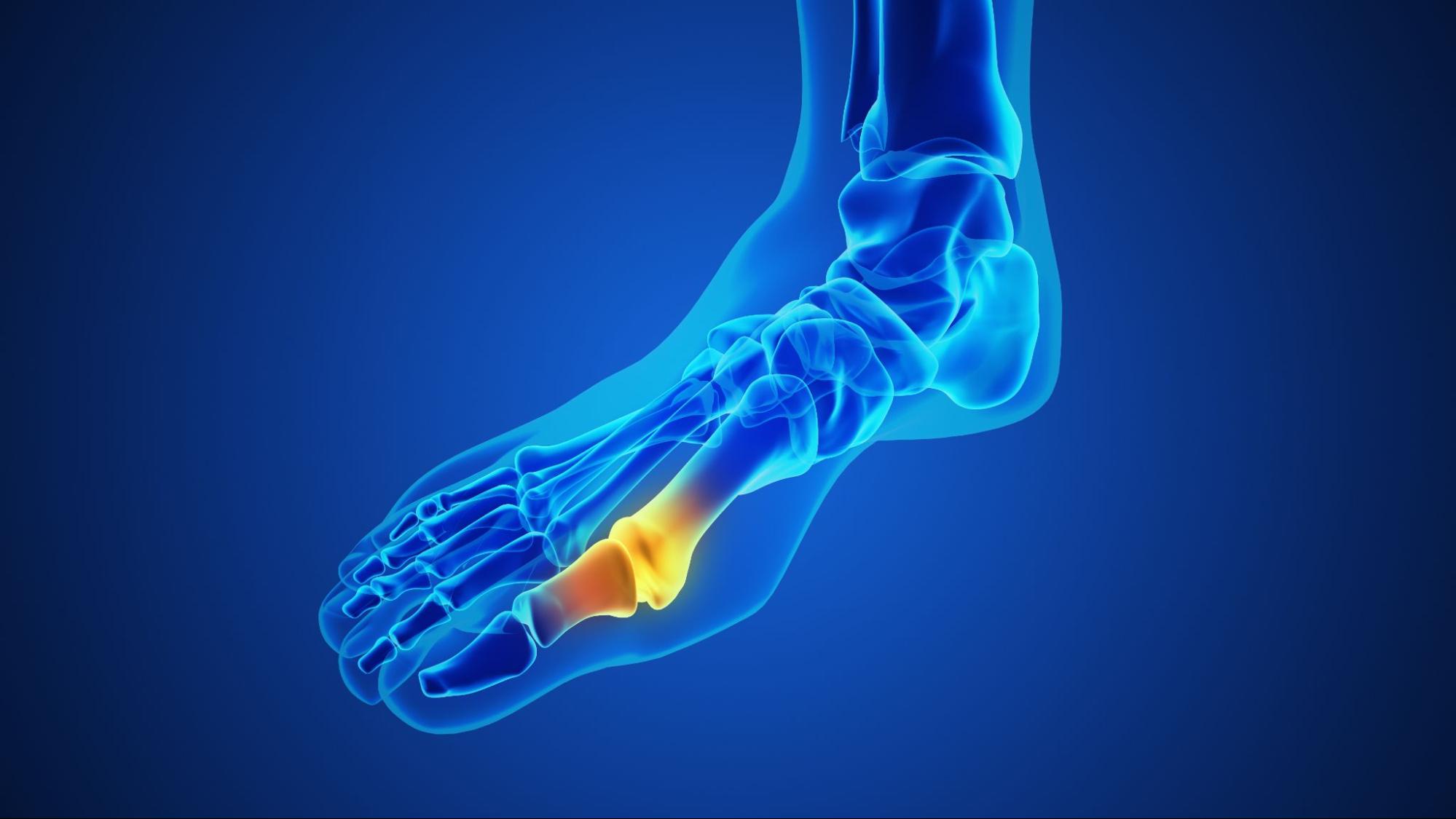
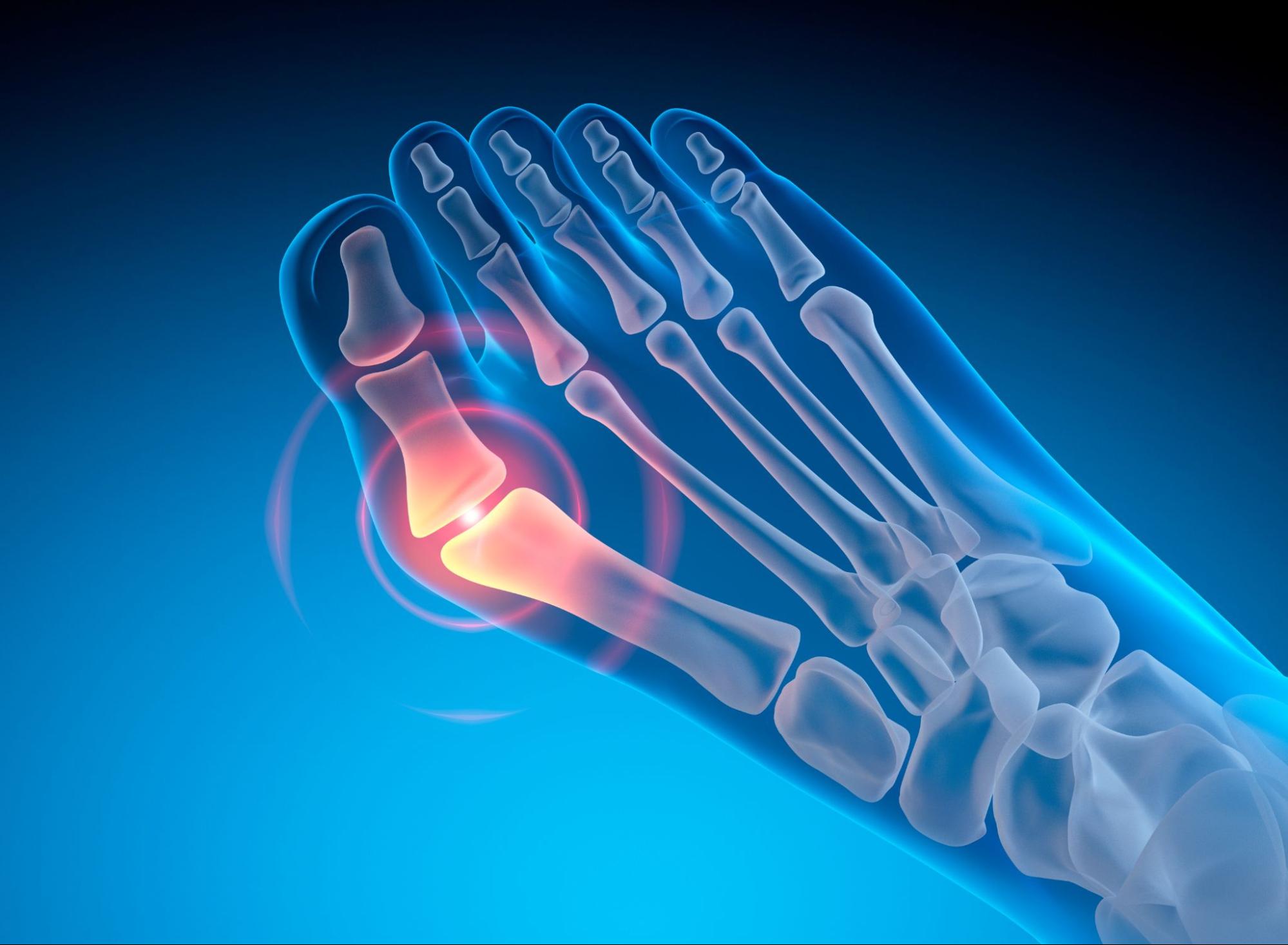
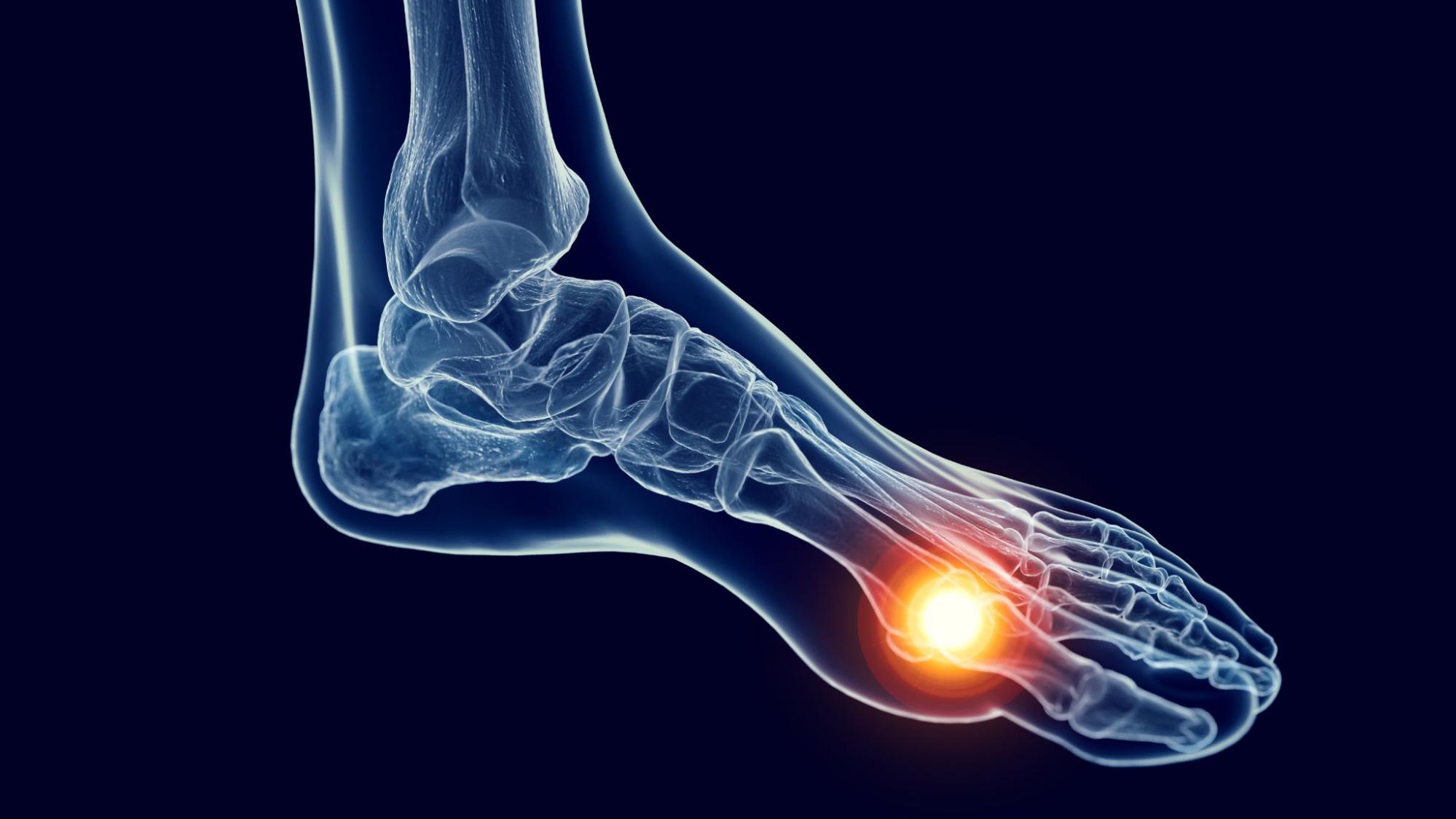
The Cartiva Synthetic Cartilage Implant is a medical device used to treat arthritis in the first metatarsophalangeal joint, which is the joint at the base of the big toe. Arthritis in this joint, often called hallux rigidus, can cause significant pain, stiffness, and trouble walking. The implant is made from a hydrogel polymer material intended to replace damaged cartilage and help relieve pain while preserving motion.
Patients and surgeons were drawn to Cartiva for a few main reasons:
- It was presented as an alternative to fusion surgery.
- It was intended to preserve motion in the big toe joint.
- It offered the possibility of pain relief without permanently locking the joint.
That message helped drive adoption. In the FDA approval materials for the MOTION study, Cartiva showed a 79.5% overall success rate, compared with 78.7% for fusion.1
The device was originally developed by Cartiva, Inc. Cartiva was acquired by Wright Medical in 2018, and Stryker later acquired Wright Medical in 2020.
The Cartiva Toe Implant Recall
As more real-world data emerged, concerns about Cartiva’s performance began to grow. Reports described various complications such as persistent pain and implant loosening. The Cartiva Synthetic Cartilage Implant became the subject of an FDA Class II recall initiated on October 31, 2024.
A recall is not proof that every recipient has a legal claim. It does, however, help explain why patients and doctors began looking more closely at the device’s safety performance and risks.
Speaking with an attorney can help you better understand your legal options and what steps may make sense in your situation. Call 1-800-748-7115 for a free case consultation.
Reported Cartiva Complications and Failed Outcomes
Several published studies have documented complications relating to Cartiva implantation. While outcomes vary from patient to patient, commonly reported problems include:
- Persistent or worsening pain
- Swelling and inflammation
- Stiffness in the joint
- Implant loosening
- Implant migration or displacement
- The implant sinking into the bone (a complication known as subsidence)
- Reduced function or continued difficulty walking
In the FDA approval materials, implant-site pain was reported in 10.5% of Cartiva subjects.1
In a 2019 study, the all-cause reoperation rate was reported as 13%. That same study found that 50% of implants led to a postoperative corticosteroid injection and 24% led to postoperative MRI imaging, which suggests that many patients required additional treatment or further diagnostic work after the original surgery.2
One of the most troubling patterns is that some patients who chose Cartiva to avoid fusion allegedly ended up needing more surgery anyway. In the FDA approval file, 14 Cartiva subjects, or 9.2%, had the implant removed during the study, and all of those subjects were converted to fusion.1
Signs Your Cartiva Implant May Be Failing
Not every bad surgical outcome means the implant itself has failed, but certain symptoms may suggest that something is wrong and needs closer medical review.
Warning signs may include:
- Ongoing big-toe pain that does not improve
- Pain that gets worse instead of better
- Swelling that keeps returning
- Stiffness or reduced motion in the joint
- Trouble walking or pushing off the foot
- Imaging that shows loosening, migration, or subsidence
- A recommendation for removal, revision, or fusion surgery
Patients who experience these issues should speak with their doctor promptly. From a legal standpoint, these symptoms may also be important because they can help establish the timeline of complications, the need for follow-up care, and the extent of the harm.
The Rise in Cartiva Toe Implant Lawsuits
As more patients reported complications and additional surgeries, litigation began from individuals who alleged that the implant did not perform as expected or that the risks were not fully disclosed.
In February 2026, many federal cases were consolidated into multidistrict litigation (MDL) No. 3172, In re: Cartiva Synthetic Cartilage Implant Products Liability Litigation, in the U.S. District Court for the Eastern District of Arkansas. These cases generally involve patients who say they experienced serious complications after receiving a Cartiva implant, including the need for revision surgery.
Allegations Made in Cartiva Toe Implant Cases
Although every case is different, Cartiva lawsuits often revolve around a similar set of allegations. These cases may claim that patients were not adequately warned about the likelihood or seriousness of complications, or that the device did not perform as represented after broader real-world use.
Common allegations may include:
- Defective design
- Inadequate warnings
- Failure to disclose the seriousness of known risks
- Misrepresentation of likely outcomes or durability
- Failure to respond appropriately to post-market complication patterns
- Injuries requiring painful revision surgery or fusion
These are allegations, not findings of liability. Still, when multiple plaintiffs raise similar concerns about pain, removal, revision surgery, and fusion, that pattern can suggest issues with the device’s long-term performance.
What’s Next for Cartiva?
For patients already dealing with symptoms, the next steps are usually medical first, then legal if appropriate.
A patient experiencing complications may need:
- Ongoing big-toe pain that does not improve
- Follow-up evaluation by a physician
- Imaging to assess the condition of the implant
- Injections or other non-surgical care
- Revision surgery
- Implant removal
- Fusion if the implant has failed and symptoms continue
It’s also important to keep records such as:
- Operative reports
- Imaging studies
- Follow-up appointment notes
- Recommendations for revision or fusion
- Billing records and other proof of damages
Even if a patient is not sure a lawsuit is right for them, preserving this information can be helpful.
Speak With Saunders & Walker P.A. About a Cartiva Toe Implant Claim
As more patients reported complications and additional surgeries, litigation began from individuals who alleged that the implant did not perform as expected or that the risks were not fully disclosed.
In February 2026, many federal cases were consolidated into multidistrict litigation (MDL) No. 3172, In re: Cartiva Synthetic Cartilage Implant Products Liability Litigation, in the U.S. District Court for the Eastern District of Arkansas. These cases generally involve patients who say they experienced serious complications after receiving a Cartiva implant, including the need for revision surgery.
Sources
- U.S. Food and Drug Administration. (2016). Summary of safety and effectiveness data (SSED): Cartiva® synthetic cartilage implant (P150017).
https://www.accessdata.fda.gov/cdrh_docs/pdf15/p150017b.pdf - Cassinelli, S. J., Chen, S., Charlton, T. P., & Thordarson, D. B. (2019). Early outcomes and complications of synthetic cartilage implant for treatment of hallux rigidus in the United States. Foot & Ankle Orthopaedics, 4(4).
https://doi.org/10.1177/2473011419S00132