

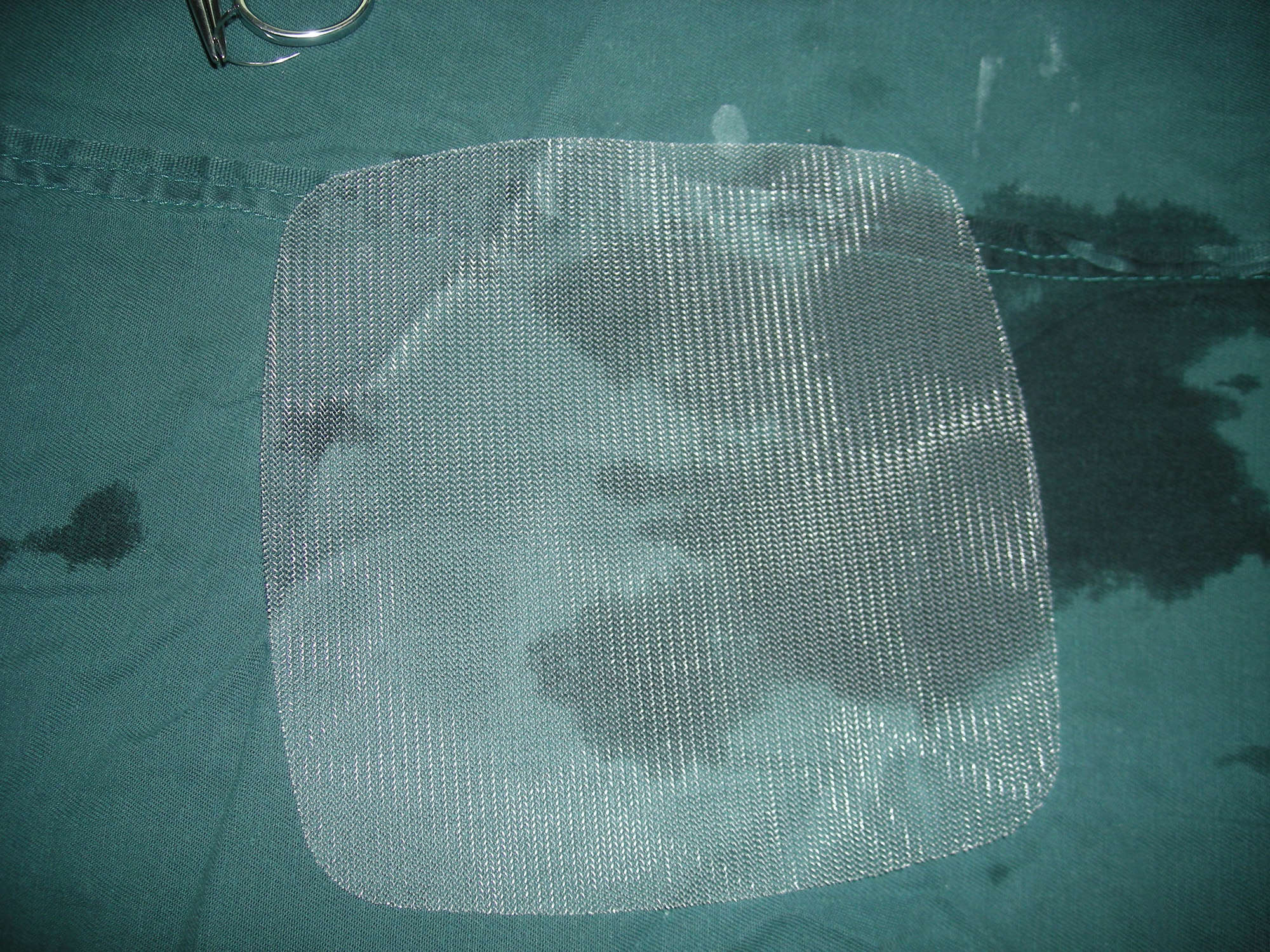

 If you didn’t think the news about vaginal mesh implants could get any worse – hold on. It was just reported in The Boston Globe that allegations that Boston Scientific Corp.’s surgical mesh used in gynecological operations may contain counterfeit raw material and has led federal prosecutors to impanel a grand jury in a criminal investigation of the company.
Multiple subpoenas have already been sent out by the grand jury. In one of the subpoenas obtained by the Globe the grand jury is seeking information and documents relating to Boston Scientific’s purchase of a type of synthetic resin used in the mesh implants. It is suspected that investigators are trying to determine whether the company knowingly received substandard resins from China. If those claims are verified, Boston Scientific could be found guilty of engaging in deceptive trade practices and fraudulently selling defective products to health care providers.
Allegations that Boston Scientific was using counterfeit raw materials in its mesh implants began to surface earlier this year and the company was accused of running an international conspiracy and racketeering scheme to sell defective mesh products. It was further alleged that the counterfeit mesh had been imported illegally by placing it in the packaging of another federally approved vendor.
Boston Scientific has already been forced to pay several large awards after losing verdicts in vaginal mesh cases and paid another $119 million to settle nearly another 3,000 cases and claims. In one of those trials a jury found that the company engaged in fraud by failing to alert doctors of their devices’ faulty design.
The latest accusations against Boston Scientific of using counterfeit and substandard resins from China, fit into a pattern of the company attempting to deceive patients about the mesh products they were selling. From their inception these dangerous mesh products have caused a myriad of painful and debilitating injuries in thousands of patients.
Nationwide almost 80,000 lawsuits have been consolidated in six MDLs against seven major mesh manufacturers. Federal lawsuits are currently filed against American Medical Systems, Ethicon, Boston Scientific, C.R. Bard, Coloplast, Cook Medical and Neomedic.
Advocacy groups, such as Public Citizen’s Health Research Group, have long criticized the FDA for even allowing transvaginal mesh on the market. The agency has reclassified mesh products designed and marketed for transvaginal treatment to Class III “High Risk Devices,” but the devices still remain on the market.
At Saunders & Walker we continue monitor issues caused by defective medical devices. Please do not hesitate to contact us for consultation if you or a loved one has been harmed by one these dangerous surgical mesh products.