

- Maryland Attorney General Report on Clergy Abuse
- October 16, 2023
- Comments (0)

The State of Maryland has long been committed to ensuring the safety and well-being of its citizens. In a recent push towards transparency and justice, the Maryland Attorney General’s Office released a comprehensive report on child sexual abuse within the clergy. The report sheds light on the gravity of the issue and emphasizes the need for legal intervention.
Key Highlights From the Report:
- Nature and Extent of Abuse: The report provides a detailed account of the abuses perpetrated, encompassing a significant number of cases. This demonstrates the widespread nature of the issue.
- Institutional Response: There’s a critical examination of how religious institutions responded to allegations of child sexual abuse, showing the patterns of cover-ups and negligence.
- Recommendations: The Attorney General’s Office outlines necessary steps to prevent such abuses in the future, emphasizing better reporting, oversight, and stricter consequences for perpetrators.
Recent Developments From Baltimore
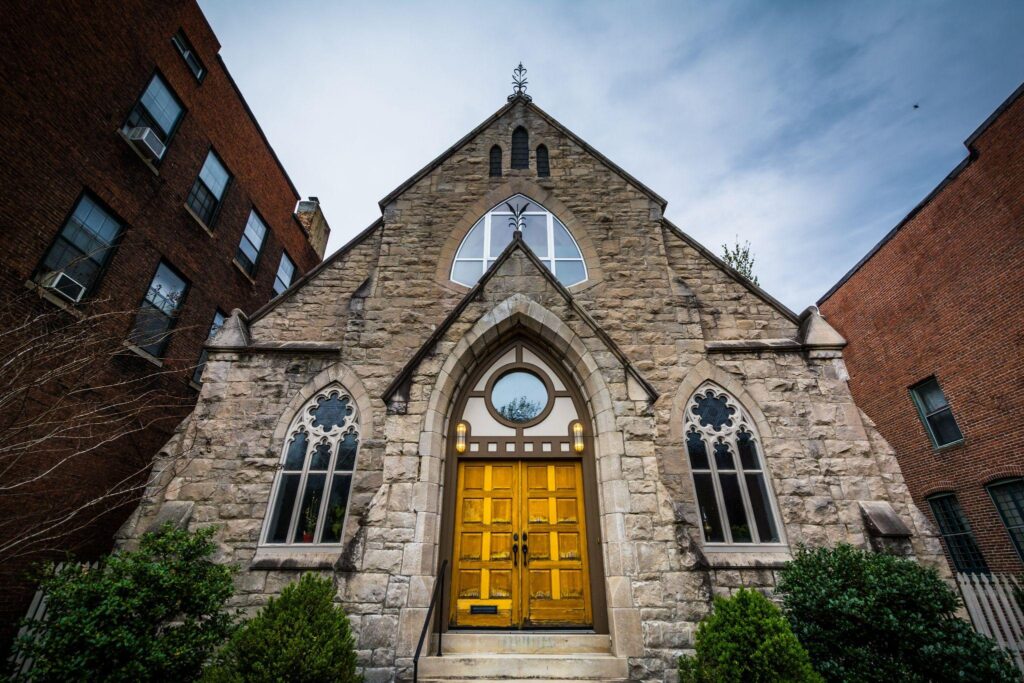
In Baltimore, substantial progress has been made in the pursuit of transparency and justice. A Baltimore judge ruled, with the exception of three names, the redactions in a report on the history of sex abuse within the Archdiocese of Baltimore will be lifted.
This groundbreaking 456-page investigation by the Maryland Attorney General presents a harrowing record. It outlines how 158 individuals—deacons and clergy, as well as teachers and seminarians within the Archdiocese of Baltimore—allegedly assaulted over 600 children dating back to the 1940s. However, it’s paramount to note that the Baltimore clergy abuse report serves solely for informational purposes. The accusations detailed therein don’t equate to findings of guilt. The report, beyond its revelations, also underscores the deeply traumatic nature of its content, containing detailed descriptions of child sexual abuse and related misconduct.
When first released in April 2023, the report withheld the names of ten alleged abusers who hadn’t been publicly identified before. Moreover, the report held back the names of five senior officials from the Archdiocese of Baltimore. According to the Maryland Attorney General’s Office, these officials had significant involvement in the handling of clergy abuse reports and child abuse cases.
Attorney General Anthony G. Brown expressed his dedication to transparency and affirmed his support for victims and survivors, highlighting how the court’s order allows his office to further reveal the longstanding hidden abuse endured by the survivors.
Interestingly, not all names redacted were of those accused of child sexual abuse. Two dozen such individuals were also shielded in the April report. David Lorenz, the Maryland Director of the Survivors Network of those Abused by Priests, underscores the significance of unmasking these names, believing it crucial for public acknowledgment and healing for survivors.
Despite these revelations, the Attorney General’s Office cautioned against drawing hasty conclusions from the report details. They emphasized that mere naming, or even previous redaction, isn’t an implicit accusation of a crime.
The Archdiocese of Baltimore responded to these unfolding events with a statement highlighting their ongoing support and cooperation throughout the investigation. The statement reiterates their primary concern remains with the survivors of child sex abuse.
Lorenz, advocating for abuse victims, has challenged certain viewpoints. He underscores the significance of revealing the names of those involved, believing it essential not just for understanding but to encourage survivors to step forward and get help. Baltimore City Circuit Court Judge Robert K. Taylor also stressed the need to grasp the full scope and details of the abuse, describing the situation as an unfolding crisis. However, Lorenz took issue with this characterization, emphasizing the urgency of the problem from the start. While Judge Taylor attributed the events to individual decisions made at specific times, Lorenz contends that the real issue lies in broader church policies that favored safeguarding the institution over protecting the children.
The narrative continues to unfold, with those redacted in the report given opportunities to appeal their naming. One such individual, named in the original report, has already faced severe repercussions, receiving online death threats due to their association with the abuse in the Archdiocese.
Your Trusted Partner in Seeking Justice
We understand that for many, the release of such a report can be triggering. It may bring back painful memories or create a sense of vulnerability. For others, it may serve as a catalyst to come forward with their own experiences.
At Saunders & Walker P.A., we want you to know that you’re not alone. We’ve been assisting victims of clergy abuse for years, working relentlessly to ensure that justice is served. Our compassionate and dedicated team is here to support you every step of the way, from understanding your rights to pursuing a legal case.
Why Choose Saunders & Walker P.A.
Choosing us means partnering with a team deeply versed in the intricacies and sensitivities of priest abuse cases. Over the years, we’ve adeptly navigated numerous such cases. We approach each case with profound empathy, fully acknowledging the trauma our clients may have endured. Beyond our compassionate approach, our firm stands unwavering in its commitment to securing results, ensuring that both the perpetrators and the institutions that shielded them face the full measure of accountability.
If you or a loved one has been affected by Baltimore clergy abuse, we encourage you to reach out to Saunders & Walker P.A. to discuss your rights. Whether you’re looking for legal assistance or simply advice, we’re here for you. Together, we can work towards a future where such atrocities are a thing of the past.
Sources: