


- Rhode Island clergy abuse
- August 17, 2026
- Comments (0)

Childhood sexual abuse often leaves survivors with difficult questions about the future—including whether they will ever have the opportunity to seek accountability and compensation. For many, it once appeared that the passage of time had permanently closed the door on filing a civil lawsuit.
Fortunately, Rhode Island law has changed. In 2026, the Rhode Island legislature created a temporary revival window that allows certain previously expired civil claims against entities (institutions) related to childhood sexual abuse to move forward. That window is currently open but is scheduled to close on June 30, 2028.
Every case is unique. Speaking with a Rhode Island clergy abuse attorney as soon as possible is the best way to determine whether your circumstances qualify under Rhode Island’s current law.
Key Takeaways
- Rhode Island has temporarily reopened certain previously expired civil claims involving childhood sexual abuse and institutional negligence.
- The revival window is currently open but is scheduled to close on June 30, 2028.
- Institutions may be held liable if their negligence contributed to the abuse.
- Investigating takes time, so survivors should consult an attorney well before the filing deadline.
What Is Rhode Island’s Childhood Sexual Abuse Revival Window?

In July 2026, Rhode Island amended its statute of limitations for childhood sexual abuse claims by creating a temporary opportunity for survivors to revive certain civil claims that had previously expired.
For many survivors, this represents the first meaningful opportunity in years to hold organizations accountable for misconduct. The revival window is intended to be temporary. Unless Rhode Island changes the law again, qualifying lawsuits generally must be filed before June 30, 2028.
The law also reflects growing national recognition that childhood sexual abuse often goes unreported for decades. Many survivors do not fully understand the long-term effects of their trauma until adulthood, while others are not emotionally or psychologically ready to disclose what happened until many years later.
The revival window acknowledges these realities by providing survivors with a limited opportunity to pursue civil remedies.
Why Did Rhode Island Reopen Previously Expired Claims?

Across the country, many states have expanded filing deadlines or created temporary revival windows after lawmakers gained a better understanding of how trauma affects survivors.
Research has shown that many survivors delay reporting abuse because they:
- Fear retaliation
- Feel shame or embarrassment
- Were manipulated into remaining silent
- Suppressed traumatic memories
- Did not recognize the full impact of the abuse until adulthood
As awareness has increased, many legislatures have concluded that traditional filing deadlines often fail to account for these realities.
Rhode Island’s 2026 legislation follows this broader national trend by temporarily allowing survivors of institutional childhood sexual abuse to pursue claims that otherwise would have been barred.
Who May Be Eligible Under the Revival Window?

Eligibility depends on the specific facts of each case and the requirements of Rhode Island law. In general, survivors whose abuse involved an institution that failed to adequately protect them may be eligible to pursue a civil lawsuit.
Examples of Potentially Involved Institutions
- Churches
- Schools
- Youth organizations
- Athletic organizations
- Summer camps
- Foster care agencies
- Healthcare providers
- Residential treatment centers
- Other organizations responsible for supervising or caring for children
Not every institution will automatically qualify simply because of its type. Instead, eligibility depends on whether the organization failed in its legal duty to supervise or protect children during the relevant time period.
Can Institutions Be Held Liable?

Many childhood sexual abuse lawsuits focus on the individual who committed the abuse. However, institutions may also be liable when their own negligence contributed to the abuse occurring.
Organizations responsible for children have a legal duty to exercise reasonable care in protecting them from harm. When they fail in that responsibility, they may be liable for damages resulting from that failure.
Examples of Institutional Negligence
Institutions have been accused of:
- Failing to investigate reports or warning signs of abuse
- Neglecting to conduct reasonable background checks
- Hiring or retaining employees or volunteers with known histories of abuse
- Failing to adequately supervise adults working with children
- Failing to report suspected abuse
- Concealing allegations from families or law enforcement
- Transferring employees or volunteers with prior abuse allegations while allowing continued access to children
Whether an institution is legally responsible depends on the available evidence and the specific facts of each case.
How Does the Diocese of Providence Investigation Relate to the Revival Window?
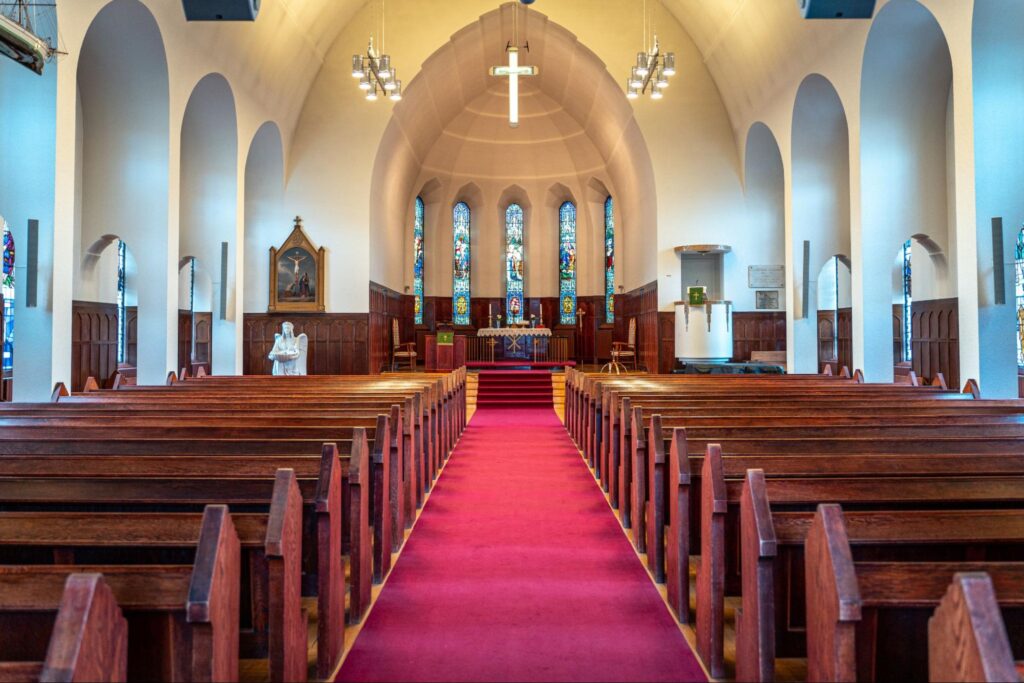
For many Rhode Islanders, public attention surrounding institutional child sexual abuse intensified in August 2019, when the Rhode Island Attorney General released the findings of a multi-year investigation into allegations involving priests affiliated with the Roman Catholic Diocese of Providence.
The report identified approximately three dozen clergy members with credible allegations of abuse and described longstanding patterns of institutional failures in responding to complaints, warning signs, and reports of abuse.
The investigation also became part of the broader public conversation that ultimately preceded changes to Rhode Island’s statute of limitations.
Talk to a Rhode Island Clergy Abuse Attorney Today
If you believe you may qualify under Rhode Island’s child sexual abuse revival window, don’t wait to learn about your legal options. Investigating institutional abuse claims often takes time, and the current opportunity to file certain previously time-barred claims is scheduled to end on June 30, 2028.
The attorneys at Saunders & Walker represent survivors who have been abused by clergy in Rhode Island with compassion, discretion, and a commitment to pursuing accountability. Contact our Rhode Island clergy abuse attorneys today for a confidential consultation to discuss your potential claim.
Frequently Asked Questions
Can I still file a childhood sexual abuse lawsuit in Rhode Island?
Possibly. Rhode Island currently has a temporary revival window that allows certain previously time-barred civil claims against institutions to move forward. Because eligibility depends on the facts of each case and the applicable law, speaking with an attorney is the best way to determine whether you qualify.
What is the deadline for Rhode Island’s child sexual abuse revival window?
Unless the law is changed again, qualifying lawsuits generally must be filed by June 30, 2028. Investigating institutional abuse claims can take significant time, so survivors should not wait until the deadline is approaching to seek legal advice.
Can I sue an institution even if the person who abused me is no longer alive?
Potentially. Some civil lawsuits focus on the alleged negligence of an institution rather than solely on the individual perpetrator. Whether a claim may proceed depends on the specific facts, the available evidence, and Rhode Island law.
Does filing a civil lawsuit mean criminal charges will be filed?
No. A civil lawsuit and a criminal prosecution are separate legal proceedings. A civil case seeks financial compensation and accountability from the responsible parties, while criminal charges can only be brought by government prosecutors. A survivor may be able to pursue a civil claim regardless of whether criminal charges were ever filed.
How do I know if my case qualifies?
Every case is different. Factors such as when the abuse occurred, the institution involved, the available evidence, and the requirements of Rhode Island law all affect eligibility. An attorney can review your circumstances and explain whether the revival window may apply to your claim.