


- Lawsuit against Florida nursing home
- June 12, 2026
- Comments (0)

Yes, Florida Law Chapter 400 does allow a son or daughter or a power of attorney to bring a legal claim for money damages against the nursing home for a nursing home resident who is sexually abused by another resident. A Florida nursing home has a duty under the nursing home bill of rights to protect residents from sexual abuse by other residents, or by employees of the nursing home, or anyone else.
A Florida nursing home, assisted living facility, or memory care facility has a duty of reasonable care to protect its residents from sexual abuse by others. If the facility is negligent and fails to exercise reasonable care for the protection of its residents, it can be liable for money damages.
The Florida Statue 400

Florida Senate Bill 400 provides a pre-suit settlement process for negligence claims against nursing home facilities. Many cases are settled within this pre-settlement process without the necessity of a lawsuit being filed under this law.
Attorneys are required to serve the nursing home with a pre-suit notice with details about the abuse that is alleged, and the nursing home is required to produce documents before the filing of a lawsuit.
Attorneys are not allowed to actually file the lawsuit until after this 90-day suit period has expired. The purpose of this pursuit notice process is to encourage early settlements of these claims. Some nursing home residents may not live long enough to survive a years-long lawsuit, although a case can still be brought or continued if the nursing home resident is deceased.
This pre-suit notice must be served on the nursing home within two years from the date that the last abuse occurred. This is a statute of limitations that will bar the case if not served within two years.
Sexual abuse of elderly women in nursing homes by male nursing home residents occurs much more often than one might expect. Nursing homes have a responsibility to be on the lookout for sexual abuse and to protect female residents. Nursing home administrators are aware or should be aware that geriatric medical literature documents a high incidence of hypersexual behavior in frontal temporal dementia.
Sexual disinhibition or hypersexuality has been associated in this medical literature with frontal temporal dementia and is sometimes referred to in the medical literature as bvFTD. Detailed research was done at the UCLA Alzheimer’s Disease Research Center, and the case study was published by Mendez and Shapira in 2013. The authors of the study commented that this hypersexual behavior significantly increases the burden on caregivers.
Nursing Home Responsibility

Nursing home administrators are aware of the increased responsibility for protecting female residents from hypersexual behavior but rarely provide sufficient staffing or staff education to properly address this danger to female residents. Providing additional staffing and staff training to address this problem costs money and cuts nursing home profits. Many nursing homes make a conscious decision to put profits ahead of the safety of female nursing home patients.
Patient Neglect
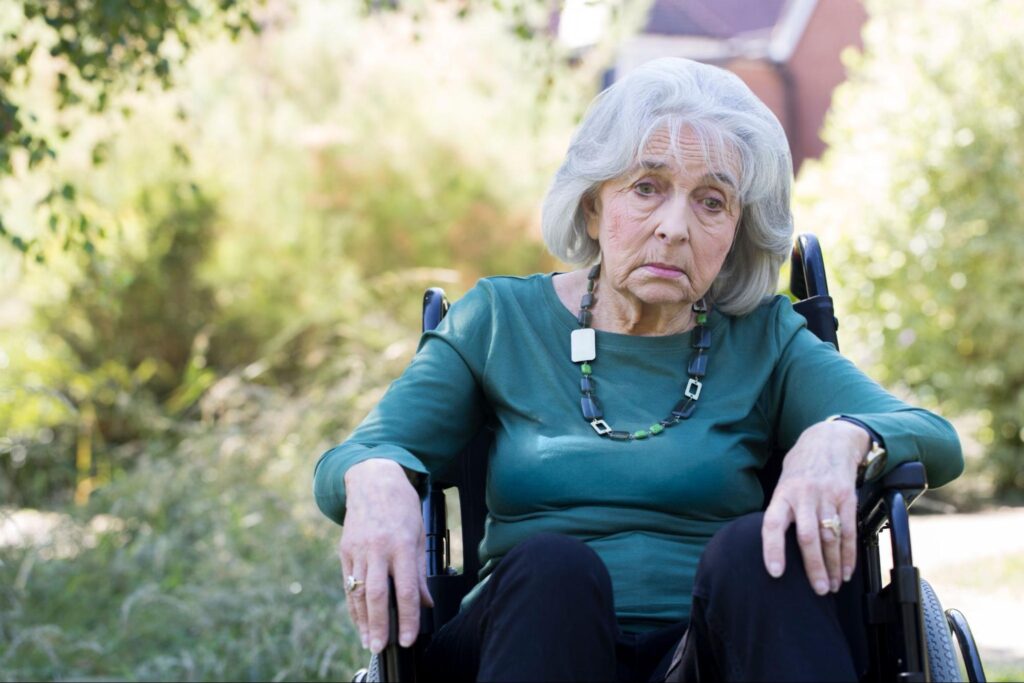
Many female nursing home patients were brought up in an environment where they were expected to subordinate their needs to satisfy the needs and demands of others. This can lead to a memory-impaired female patient’s unintended compliance with a sexual assault by a male patient. Nursing home administrators are aware or should be aware of this vulnerability on the part of female patients with memory or cognitive disabilities.
In some cases, there have been multiple sexual assaults on female patients who did not recall that the assaults even occurred, but family members were traumatized when they discovered that their female relative was repeatedly raped at a nursing home facility by another resident.
Sometimes this has been discovered by surveillance cameras if they are present, or by bruising or physical injuries to the sexual assault victim. Nursing home administrators in Florida have a legal duty to immediately report any incident of sexual abuse of a resident, but frequently they do not do so for fear of liability.
When Law Enforcement Becomes Involved
In cases where law enforcement is called, many times they cannot charge the male perpetrator because the male perpetrator has dementia or Alzheimer’s and does not have the ability to form criminal intent.
There are also legal issues with whether the female resident was competent to give consent or whether the male resident had some belief that consent was given. These issues usually prevent a criminal prosecution, but do not affect the nursing home’s legal liability for failing to protect its residents.
Nursing Home Companionship

Although rarely discussed, dementia, Alzheimer’s, and memory care patients in nursing homes still have needs for companionship, and sometimes physical or sexual relationships, and some do have sufficient mental capacity to consent to those relationships with each other. Nursing home administrators have a responsibility to appreciate the differences between these relationships and sexual assault or rape being perpetrated without the consent of the resident.
Our law firm has a broad range of experience handling different types of sexual abuse cases, including Florida nursing home lawsuit cases. Please contact us for a free review of your case, and if we accept your case, we work on a contingent fee—no recovery, no fee—basis.