



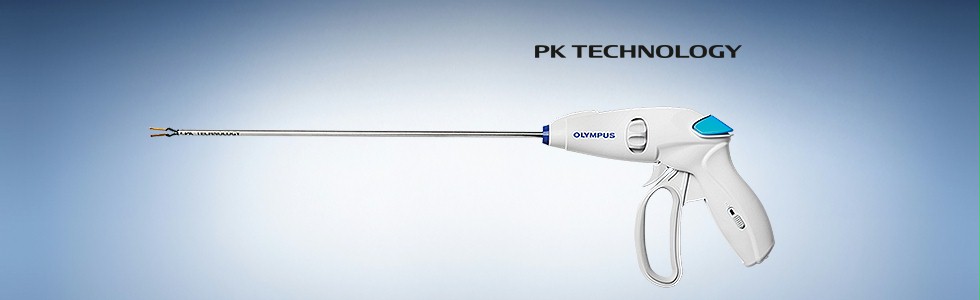
The Food and Drug Administration has approved a new surgical tool intended to remove fibroid tissues in gynecological procedures. The government agency has given the green light to Olympus’ new PK Morcellator under its 510(K) protocol, which does not require human testing. Instead, the manufacturer had to prove the device was “substantially equivalent” to similar devices already on the market.
The “substantially equivalent” devices have a history of problems that compelled one manufacturer, Johnson & Johnson, to pull its surgical device from the marketplace as it settled hundreds of power morcellator lawsuits. Other “substantially equivalent” devices have received black box warnings because they may assist the spread of cancerous growths rather than remove them.
In 2014, the FDA issued a directive concerning the safety and efficacy of the surgical device. “If laparoscopic power morcellation is performed in women with unsuspected uterine sarcoma, there is a risk that the procedure will spread the cancerous tissue within the abdomen and pelvis, significantly worsening the patient’s long-term survival. While the specific estimate of this risk may not be known with certainty, the FDA believes that the risk is higher than previously understood. Because of this risk and the availability of alternative surgical options for most women, the FDA is warning against the use of laparoscopic power morcellators in the majority of women undergoing myomectomy or hysterectomy for treatment of fibroids. Limiting the patients for whom laparoscopic morcellators are indicated, the strong warning on the risk of spreading unsuspected cancer, and the recommendation that doctors share this information directly with their patients, are part of FDA guidance to manufacturers of morcellators. The guidance strongly urges these manufacturers to include this new information in their product labels.”
One may legitimately ask why the FDA approved a substantially equivalent device after the same agency had issued a strong warning concerning similar surgical devices? Is this in the best interests of patients?
If you or a loved one has been injured by a faulty medical device, reach out to Joe Saunders for a free consultation. Don’t suffer in silence.