

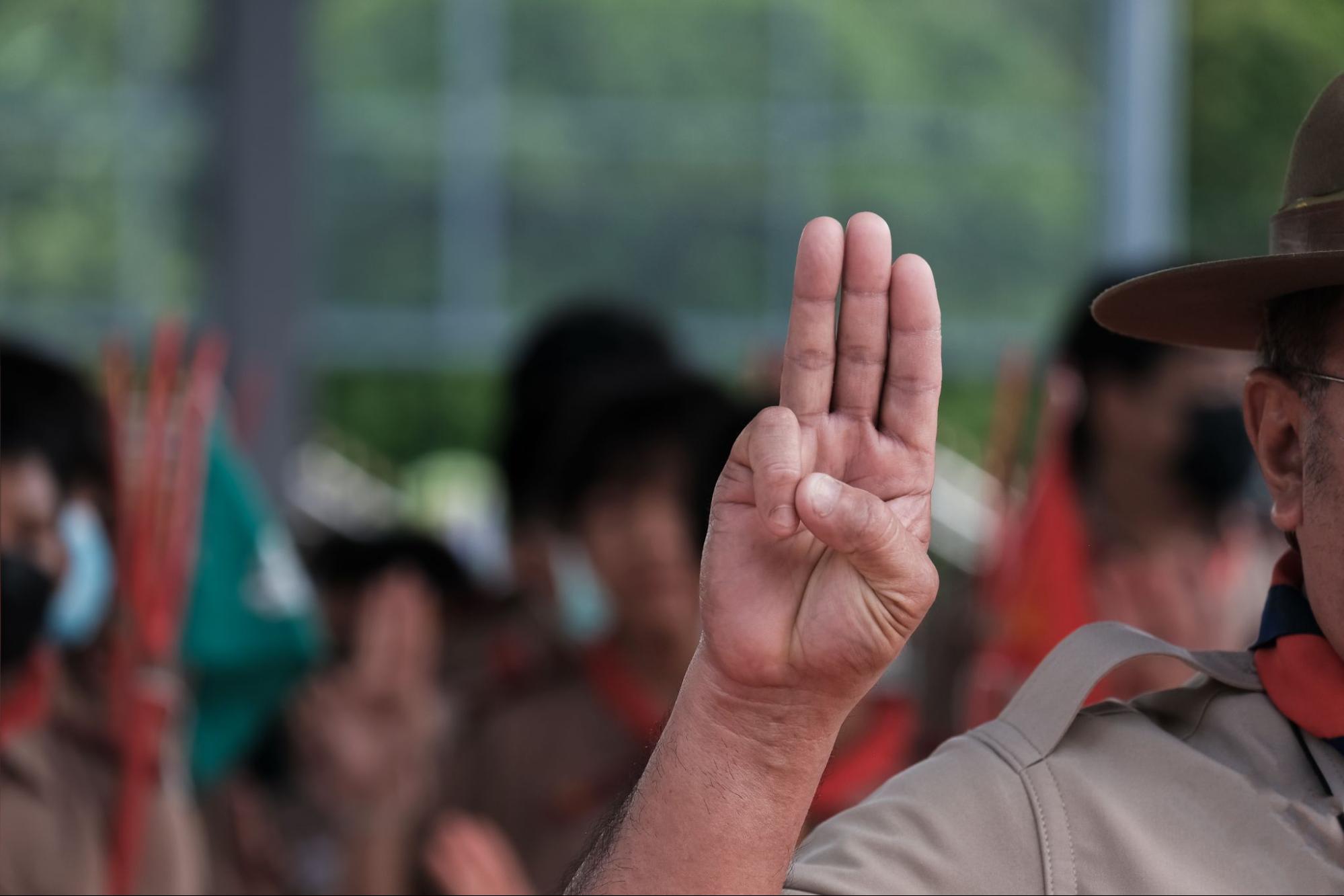
- Boy Scouts sexual abuse survivors
- September 28, 2026
- Comments (0)

For survivors of childhood sexual abuse, pursuing a claim can mean recounting experiences they spent decades trying to put behind them. A Tampa Bay 28 I-Team investigation shows how the long wait for payments from the Boy Scouts of America bankruptcy settlement has added to that burden. The report features survivor Lee Forbes and his attorney, Joseph Saunders of Saunders & Walker P.A.
A Survivor’s Story Behind the Numbers

Forbes told Tampa Bay 28 that he kept the abuse he experienced as a Scout secret for decades. After learning about the settlement fund, he contacted Saunders, who has represented survivors of abuse in the Catholic Church. Forbes described the claims process as painful: providing details and identifying witnesses meant revisiting events he had struggled to discuss.
According to the report, the settlement’s claims process assigned Forbes’s abuse claim a value of $1.6 million. At the time of the interview, he had received approximately $40,000. Those figures describe an assigned claim value and a payment to date, respectively; the assigned value is not a promise that the trust will pay $1.6 million.
Why Is the Settlement Taking So Long?

The trust is reviewing a large number of claims while seeking additional funds, including through disputes with insurers. As Saunders explained to Tampa Bay 28, bankruptcy proceedings have made the path to compensation unusually complicated.
The trust can make distributions from funds currently available, but it cannot yet tell survivors what percentage of their allowed claims they will ultimately receive or when the process will conclude.
Why Are Payments So Much Lower Than Assigned Claim Values?

The Scouting Settlement Trust distributes available funds among eligible claimants. Its payment guidance states that the total distribution described there is 4.7% of an allowed claim amount, before any applicable lien reserves. The trust also says it cannot yet know the final percentage claimants will ultimately receive. Future recoveries and distributions remain uncertain.
Tampa Bay 28 reported that the trust held roughly $2.4 billion to $2.5 billion, well below an earlier estimate that assets could reach up to $10 billion. It also reported that more than $1.2 billion had been distributed to survivors. These are figures from the time of the report and may change as the trust administers claims and seeks additional funds.
Saunders told the station that bankruptcy proceedings have made this a long and complicated road for survivors. Forbes’s account makes the human cost clear: each delay prolongs a process that has already required survivors to revisit deeply personal experiences.
Saunders acknowledged the toll of the delay, telling Tampa Bay 28 that the bankruptcy and the number of claims have made it “a very complicated long road.” For Forbes, each additional wait extends a process that has already required him to revisit painful experiences.
What Survivors and Families Can Do

The central issue in Tampa Bay 28’s report extends beyond the numbers. Survivors who came forward seeking accountability are still waiting for answers about when the process will end and what compensation they will receive.
If you have an existing claim, review communications from the Scouting Settlement Trust and speak with your attorney about your claim’s status, any documentation requests, applicable reserves, and how future distributions may work. Payment amounts and timing can differ based on the claim and the trust’s available funds. Avoid treating an assigned claim value as a guaranteed payout.
If you have questions about abuse connected to Scouting, the Boy Scouts abuse attorneys at Saunders & Walker P.A. can discuss your circumstances and explain what options, if any, may be available.
Frequently Asked Questions
Does an assigned claim value mean a survivor will receive that amount?
No. An allowed claim amount is used to calculate distributions; it is not a guaranteed payout. The Scouting Settlement Trust’s payment guidance describes distributions totaling 4.7% of an allowed claim amount, before any applicable lien reserves. The trust says the final percentage remains unknown.
Will survivors receive additional payments?
Additional distributions are possible, but their amount and timing are uncertain. The trust says it cannot yet determine what percentage of an allowed claim will ultimately be paid. Survivors with existing claims should discuss updates with their attorney.
How can I check the status of my claim?
If an attorney represents you, ask them for an update on your claim and any requests from the trust. The trust says claim status is available through its Claims Processing Portal.
Why has the Boy Scouts settlement taken so long?
The trust must review claims and distribute the funds available to it. Tampa Bay 28 also reported that efforts to obtain additional money, including disputes with insurers, are ongoing. Saunders described the bankruptcy process as a long and complicated road for survivors.
Why might a payment be less than 4.7% of an allowed claim?
The 4.7% figure describes the trust’s stated distribution percentage, before any applicable lien reserves. A survivor’s payment to date may also reflect which distributions have already been issued on their claim. Their attorney can help explain the amounts shown in the trust’s notices.
What is the Scouting Settlement Trust?
The Scouting Settlement Trust handles abuse claims under the Boy Scouts bankruptcy settlement and distributes available funds to survivors with allowed claims. It also provides claim updates through its Claims Processing Portal.